Moving Packing Tips
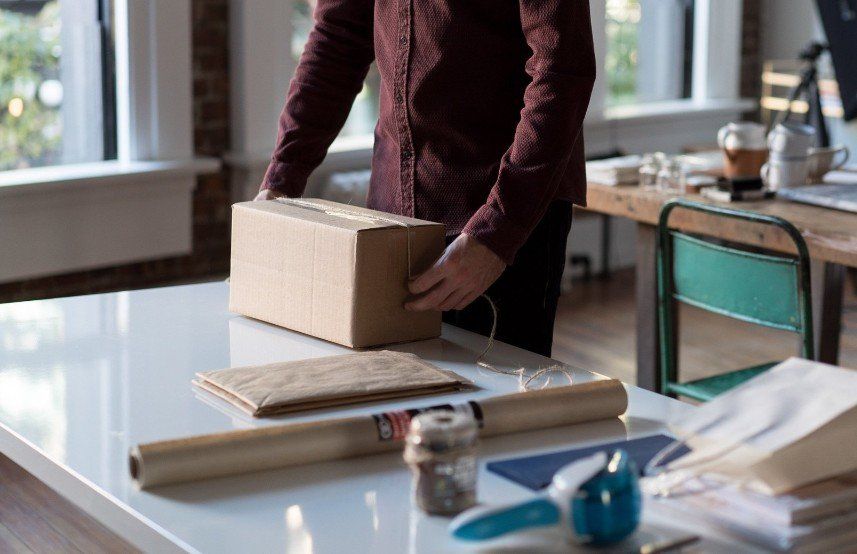
Here are nine packing tips to make sure your treasured possessions make a smooth and safe transition to their new locations.
Use the Right Size Boxes
Deciding what kind and size of box can be as simple as figuring out how much the item weighs and how large the item is. Use larger size boxes with thick walls for items that are heavy, like books and boots. Reserve your smaller boxes for items that don't take up as much room and are not nearly as heavy, like pillows and plastic wear.
Put Heavier Items on the Bottoms of Boxes, Lighter Items on Top
If you are planning to make the move yourself rather then hire a professional moving company, keep in mind the order you are stacking items in the vehicle. Always pack the heaviest items first. Position these boxes toward the front of the vehicle. This will allow for a better balanced vehicle on long trips.
Don't Leave Empty Spaces in the Boxes
Boxes are much harder to move when empty spaces are left within the box, due to the imbalance. Unfilled boxes also tend to shift a lot which can cause the breakage of items within the space.
Avoid Mixing Items from Different Rooms in the Same Box
To allow for an easier transition while unpacking items in the new space, try to avoid packing items from different rooms in the same boxes. Packing only the items from it's individual room will save a lot of time and hassle when remembering where things are supposed to go.
Label Each Box with the Room it's Destined for and a Description of it's Contents
Just like packing the same roomed items in the same boxes, labeling the boxes correctly will also ease the transition when it comes to moving the boxes into their correct spaces within the house. Keep an inventory list as you label these boxes to keep track of everything and prevent a whole box from going missing.
Tape Boxes Well
Tapping the boxes properly after all the items are secured inside will avoid a mishap of a broken box while it is being moved. Tape all seams and then wrap tape all the way around the box from the top and bottom edges.
If you're Moving Expensive Art, Consider Special Crating
In the case of moving items of value, such as rare pieces of art be sure you are taking the best precautionary measures to avoid damaging these items. Oil paintings should never be wrapped in regular paper due to it sticking. Glass framed images should be taped with an X across the surface to add strength. After tapping be sure to wrap the images with bubble wrap and then place them in a framed box.
Bundle Breakables
When it comes to fragile items such as glassware and China, be sure to use packing paper. Wrap each individual item with paper and always separate anything that could clash together, like the top of a tea pot. Pack the items on their sides and use additional paper bunched up to ensure nothing shifts within the box they are packed in.
Consider other Items that will Need Special Treatment
Think about each item as having it's own individual needs when it comes to precautionary packing. Items such as plasma TVs need their own type of packaging, due to their ability to become damage if packaged in the wrong way. Never lay them flat, instead always package them upright to prevent damage to their screens.
For more information visit: https://www.realsimple.com/home-organizing/organizing/moving/moving-packing-tips